
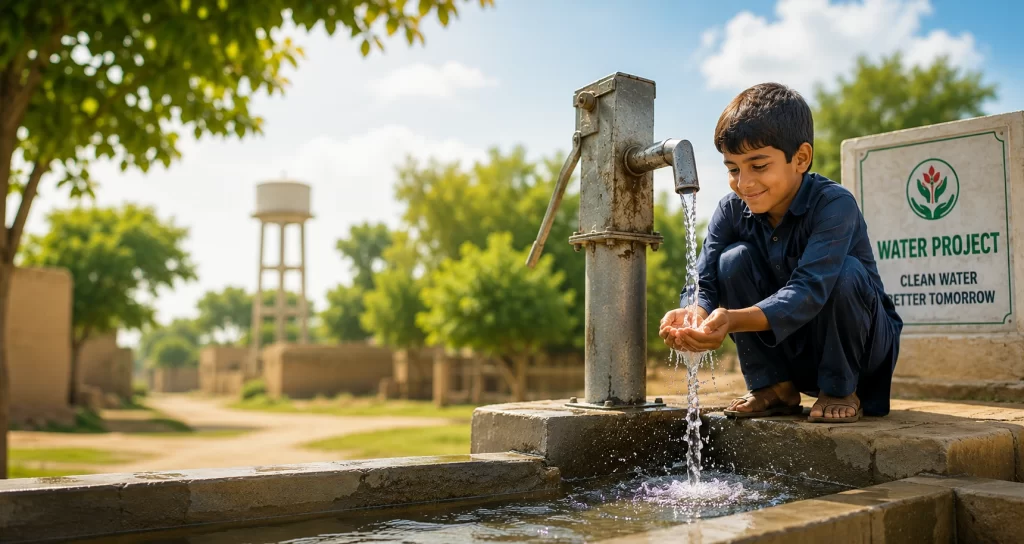
Water Poverty: A Silent Global Emergency
Understanding Water Poverty and Why It Matters
Water is essential for life, yet billions of people worldwide struggle to access clean and safe water every day. Water poverty is one of the most pressing humanitarian and environmental challenges of our time, affecting health, education, economic development, and social equality. Despite its devastating impact, it often remains a silent global emergency that receives far less attention than it deserves.
At Help Foundation, we believe that access to clean water is a fundamental human right. Addressing water poverty is critical to building healthier, stronger, and more resilient communities.
What Is Water Poverty?
Water poverty refers to the lack of access to sufficient, safe, and affordable water for drinking, sanitation, hygiene, and daily living. It is not only about water scarcity but also includes inadequate infrastructure, poor water quality, and limited access to water management resources.
Millions of families, particularly in developing regions, spend hours each day collecting water from distant and often contaminated sources. This burden disproportionately affects women and children, limiting educational opportunities and economic growth.
The Global Scale of the Crisis
Water poverty affects communities across Africa, Asia, Latin America, and even parts of developed nations. Factors such as climate change, rapid population growth, pollution, and poor resource management continue to worsen the crisis.
Key challenges include:
- Lack of access to clean drinking water
- Poor sanitation facilities
- Waterborne diseases and health risks
- Droughts and climate-related water shortages
- Inadequate infrastructure in rural and underserved areas
Without immediate action, water insecurity is expected to increase significantly in the coming decades.
The Impact of Water Poverty
1. Health Consequences
Unsafe water and poor sanitation contribute to the spread of diseases such as cholera, typhoid, diarrhea, and dysentery. Children are particularly vulnerable, and preventable water-related illnesses remain a leading cause of death in many low-income communities.
2. Educational Barriers
Children often miss school because they must spend hours collecting water or suffer from waterborne illnesses. Girls are especially affected, leading to lower educational attainment and reduced future opportunities.
3. Economic Challenges
Communities facing water poverty struggle with reduced agricultural productivity, lower workforce participation, and increased healthcare costs. Water scarcity can trap families in cycles of poverty for generations.
4. Gender Inequality
Women and girls bear the primary responsibility for water collection in many regions. The time spent fetching water limits opportunities for education, employment, and community participation.
The Role of Climate Change
Climate change is intensifying water poverty worldwide. Rising temperatures, changing rainfall patterns, floods, and prolonged droughts disrupt water supplies and increase competition for limited resources.
Communities already facing water insecurity are often the most vulnerable to climate-related disasters, making sustainable water management more important than ever.
Solutions to Combat Water Poverty
Addressing water poverty requires collaboration among governments, non-profit organizations, businesses, and local communities.
Effective solutions include:
Investing in Water Infrastructure
Building wells, pipelines, water treatment facilities, and storage systems can significantly improve access to clean water.
Promoting Sustainable Water Management
Efficient use of water resources, rainwater harvesting, and conservation practices help ensure long-term water security.
Improving Sanitation and Hygiene
Access to proper sanitation facilities and hygiene education reduces disease transmission and improves public health.
Supporting Community-Led Initiatives
Local communities are often best positioned to identify and implement sustainable water solutions tailored to their needs.
Raising Awareness and Advocacy
Public education campaigns can mobilize support, influence policy decisions, and encourage responsible water use.
How Help Foundation Is Making a Difference
Help Foundation is committed to improving access to clean water and sanitation for vulnerable communities. Through awareness programs, community partnerships, and sustainable development initiatives, we strive to create lasting solutions that improve health, education, and quality of life.
Every contribution—whether through donations, volunteering, or advocacy—helps bring us closer to a future where everyone has access to safe and reliable water.
What You Can Do
You can help fight water poverty by:
- Supporting clean water initiatives
- Conserving water in your daily life
- Educating others about the global water crisis
- Donating to organizations working on water access projects
- Advocating for sustainable water policies
Small actions can create significant change when communities come together.
Conclusion
Water poverty is more than a resource issue—it is a humanitarian crisis that affects billions of lives worldwide. Access to clean water impacts health, education, economic development, and human dignity. By investing in sustainable solutions and supporting vulnerable communities, we can help end water poverty and build a more equitable future for all.
Help Foundation remains dedicated to creating lasting change and ensuring that every person has the opportunity to live with dignity, health, and hope through access to clean and safe water.
